Views: 0 Author: Site Editor Publish Time: 2026-06-17 Origin: Site


One of the most common questions boat buyers ask is:
"Why does this 24-foot boat cost more than a 28-foot or even 30-foot model?"
At first glance, it seems that a larger boat should always be more expensive. After all, bigger boats require more materials and take longer to build.
However, boat pricing is not determined by length alone.
A boat's design, construction quality, onboard systems, and intended use often have a much greater impact on price than a few extra feet of hull length.
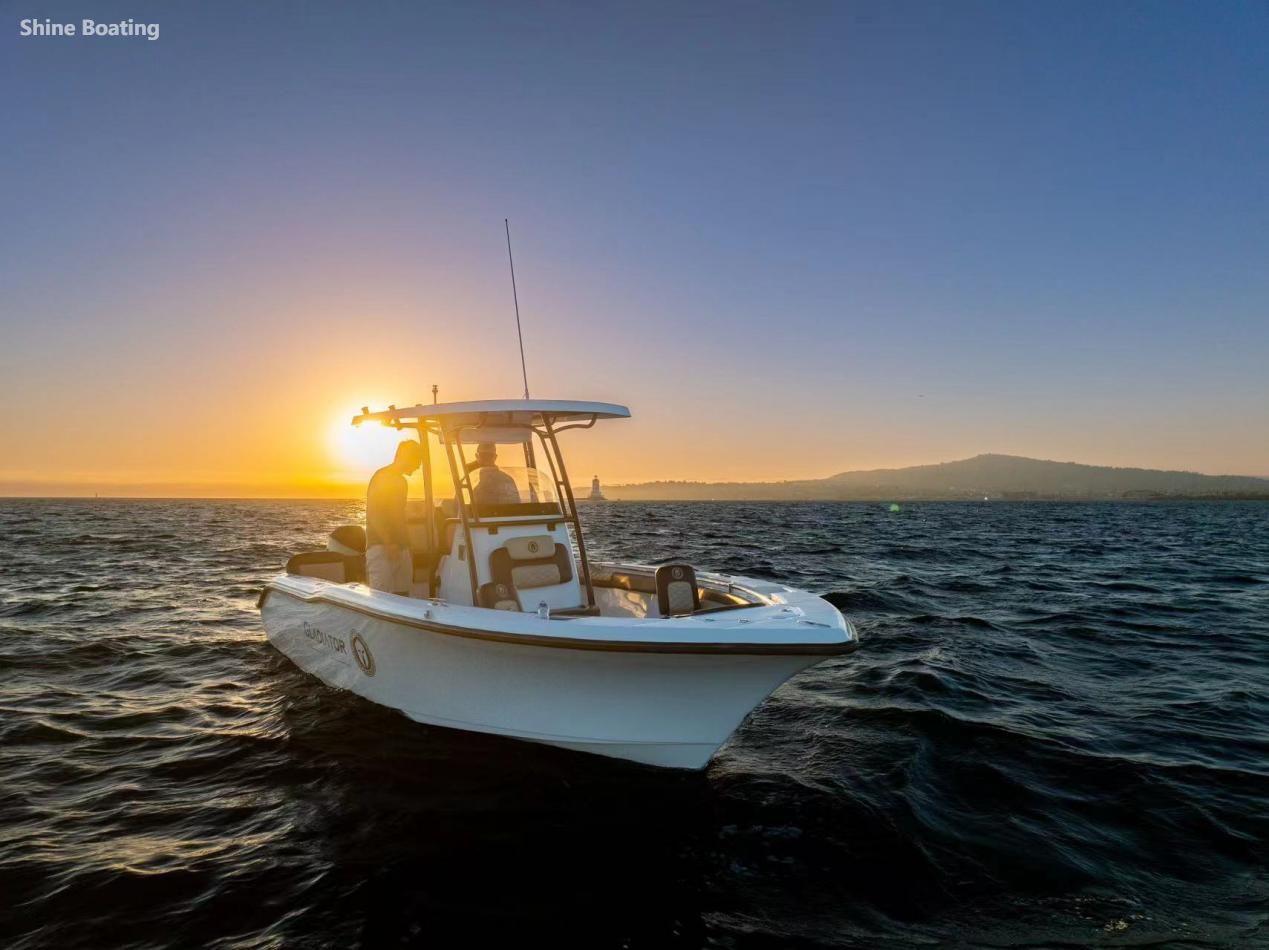
For example, two boats may be similar in size, but one may feature a more advanced hull design, higher-grade materials, premium marine hardware, and sophisticated electronics. These upgrades can significantly increase manufacturing costs and overall value.
Production volume also plays a role. Popular entry-level models are often built in larger quantities, which helps reduce costs. More specialized boats are usually produced in smaller numbers, making them more expensive on a per-unit basis.
The same principle can be seen in the automotive industry. A compact luxury sports car can easily cost more than a larger family SUV because buyers are paying for engineering, performance, and technology rather than size alone.

When comparing boats, it is important to look beyond overall length. Hull design, build quality, equipment level, and intended application often tell a much more accurate story about value than dimensions alone.
In many cases, a smaller boat is not more expensive because it is overpriced—it is more expensive because it is built to do more.
Should you have any inquiries regarding boat sizes, configurations or price discrepancies, feel free to leave a comment below or get in touch with our team directly. Share your budget and intended boating purposes, and we will provide you with personalized professional guidance promptly.