Views: 0 Author: Site Editor Publish Time: 2026-09-03 Origin: Site


Let's talk about hull foam injection, a well-known marine safety technology designed to keep boats afloat even after hull damage. Many aluminium boat builders use this solution to achieve the so-called "unsinkable" performance.
The aluminium hull has lots of hollow chambers inside its sides and bottom. Normally these chambers are just filled with air. They form part of the boat's structural frame, empty and sealed off from one another.

During foam-injection work, liquid closed-cell polyurethane foam is pumped into those hollow chambers. The liquid chemical reacts and expands inside each closed cavity. It fills every empty space and hardens into solid rigid foam with millions of tiny sealed air bubbles. It is not just sticking pre-made foam blocks into place; the liquid expands on-site to reach every corner of the chamber, leaving almost no gaps.
So how does this keep the boat from sinking? When the hull gets cracked or pierced at sea, seawater tries to rush into the chambers. But the chambers are already full of foam. Water cannot occupy that internal volume. Those sealed bubbles in the foam keep generating buoyancy. The boat will sit lower in water and may have water on deck, yet it will not go down to the seabed.
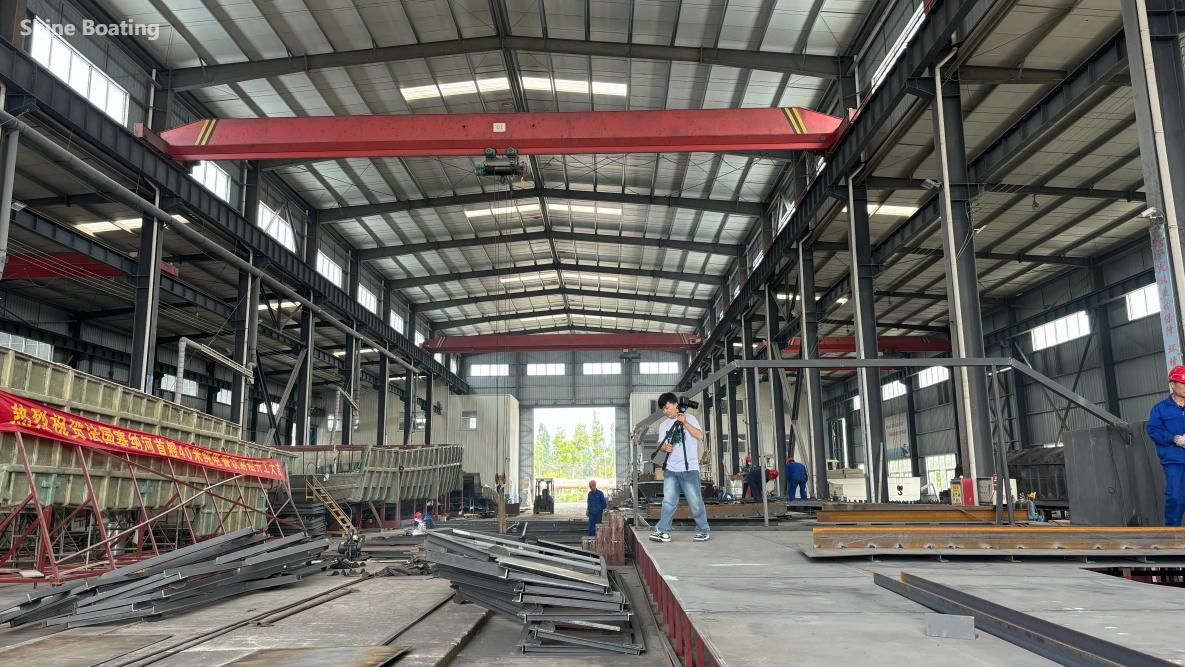
It is worth understanding the real limits of this technology. First, foam replaces air inside chambers, so it adds extra weight to the boat instead of making it lighter. This will reduce the vessel's useful load capacity. Second, once a chamber is fully filled with foam, it becomes inaccessible. You can no longer check internal welds, corrosion or hidden leaks inside that space. Any fault developing there cannot be seen or repaired easily. Third, foam injection prevents sinking, but it cannot prevent capsizing. If damage causes heavy flooding on only one side, the boat may still roll over. Even upside-down, it will stay floating, but it will no longer be usable.
Comes with a dedicated lower-deck KTV room with karaoke system, full-ship audio system including subwoofers, multiple LCD TVs and TV lifting brackets. Ideal for parties and recreation on board.
Understanding real foam injection advantages and limitations helps you make smarter boat investment decisions. If you need professional hull structure solutions, safety configuration consultation or customized aluminum boat design, feel free to contact our team for reliable technical support and project guidance.