Views: 0 Author: Site Editor Publish Time: 2026-05-14 Origin: Site


In April 2026, the global shipping industry witnessed a mix of challenges and progress amid geopolitical tensions and the ongoing shift toward green decarbonization.
Geopolitical unrest in the Middle East continued to disrupt key maritime routes, with vessels diverting around the Cape of Good Hope instead of transiting the Strait of Hormuz and Red Sea, leading to longer voyages, higher fuel costs and increased operational uncertainty.
This disruption created a divided freight market, where overall container freight indices showed a slight decline due to weak demand on some routes, while spot rates on critical routes surged sharply, with weekly increases of over $1,000 for some container types in certain regions, driven by capacity controls and additional surcharges.

On the green energy front, the industry's decarbonization drive gained momentum in April.
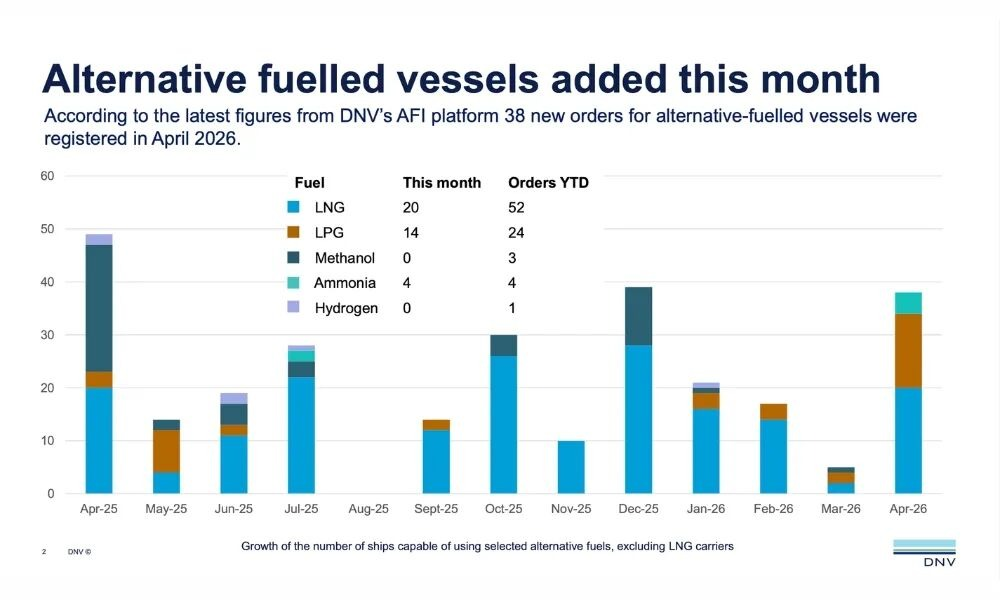
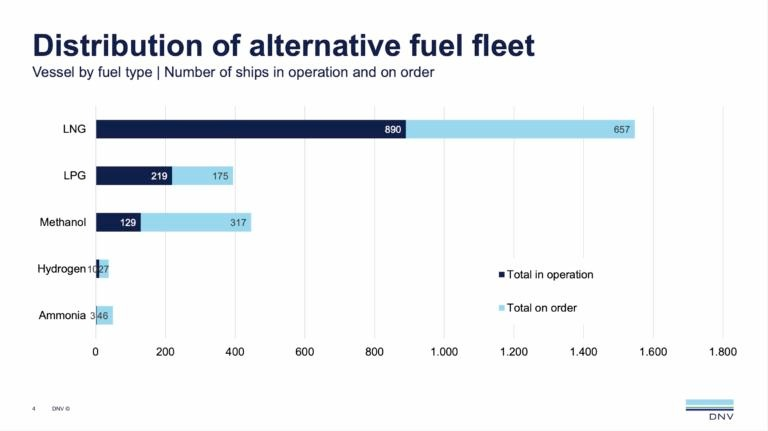
According to data from DNV, the number of new alternative-fuel vessel orders rebounded significantly, with LNG remaining the dominant fuel type, followed by LPG/ethane and ammonia. Notably, four new ammonia-fueled bulk carrier orders were placed, breaking a three-month lull and marking progress in the commercialization of zero-carbon fuels.
Meanwhile, major shipyards around the world, especially those in China, continued to secure large orders for high-end and green vessels, solidifying their leading position in the global shipbuilding market. Domestic shipyards also achieved breakthroughs in core technologies, with key equipment for LNG ships realizing full localization, further enhancing industry competitiveness.
Overall, April 2026 was a month of contrast for the shipping industry, with geopolitical factors creating short-term volatility, while the long-term transition to cleaner fuels and advanced shipbuilding technologies continued to shape the industry's future direction.
In April 2026, the global shipping industry faced a critical juncture, encountering both challenges and opportunities amidst the dual waves of geopolitical volatility and the green, low-carbon transformation. Disruptions to Middle East routes drove up operating costs, while new energy power and green vessel types became the industry's definite growth drivers, and the high-end yacht market saw a window of opportunity for structural upgrading.
As a professional manufacturer deeply rooted in high-end yacht manufacturing, we closely follow the global trend of green transformation in shipping, focusing on the core requirements of high performance, low energy consumption, and zero emissions, providing end-to-end solutions from design and R&D to customized construction. Leveraging our profound experience in shipbuilding engineering, rigorous quality control systems, and cutting-edge green technology applications (such as hybrid power, solar photovoltaic, and environmentally friendly materials), every yacht we build balances superior seaworthiness, a luxurious driving experience, and low-carbon environmental value, perfectly aligning with global clients' pursuit of a sustainable, high-end maritime lifestyle.
In today's reshaping market landscape, choosing a professional and reliable partner is crucial. We sincerely invite global clients to leave their contact information to obtain the latest green yacht technology solutions, customized quotes, and exclusive consulting services, exploring new opportunities in the blue ocean and leading a new green voyage!